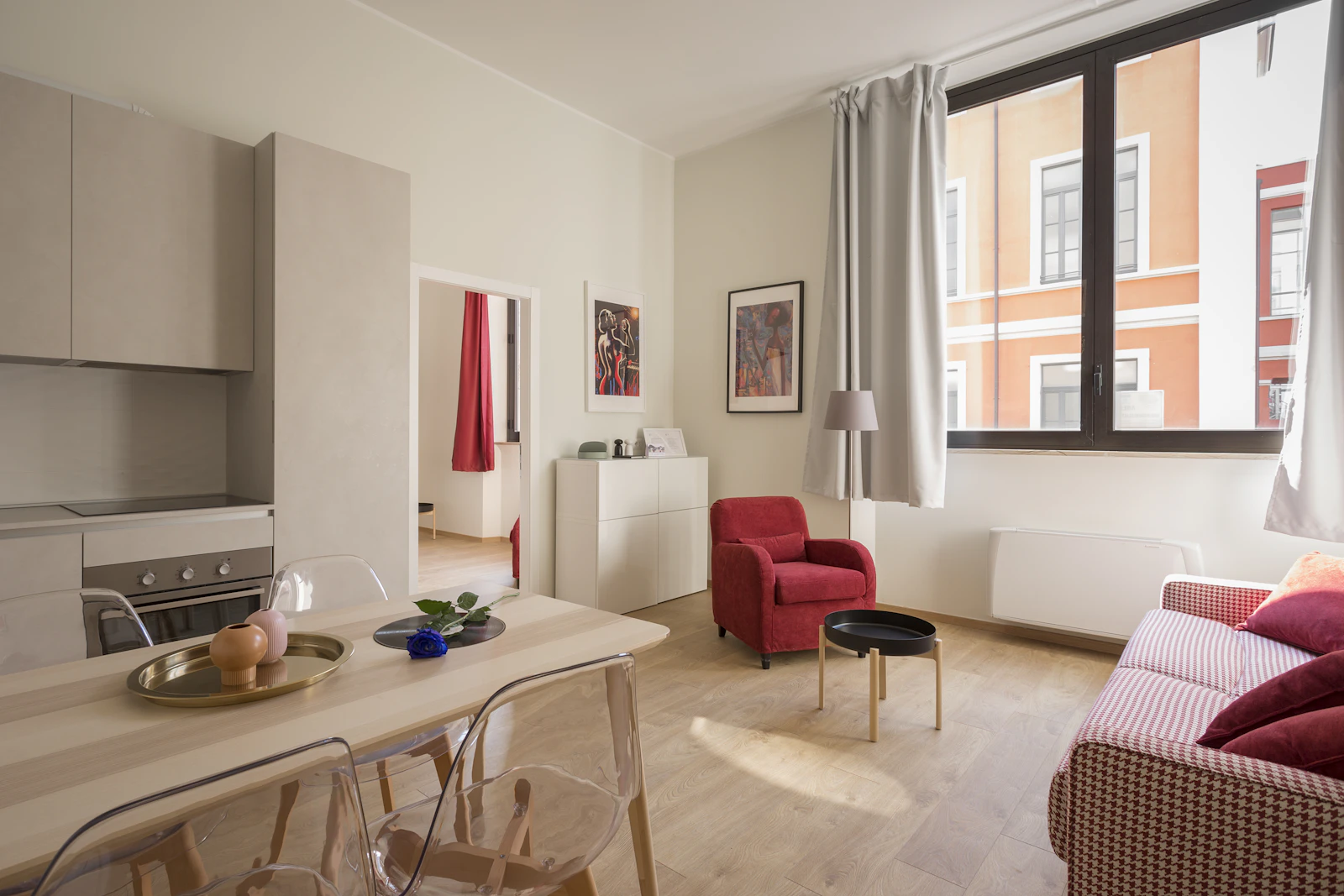
The wealthiest clients at our desk share one biographical detail with remarkable consistency: they bought their first property earlier than felt comfortable. Not recklessly — early. The first purchase is rarely the best one financially, but it is always the most important, because it starts the curve everything else compounds on. Here is how to make yours a good one.
01Reframe the goal
Your first property is not your dream home. It is your entry ticket to the asset class — a disciplined, affordable holding that earns income or saves rent while you build toward the bigger moves. Buy the property your spreadsheet loves, not the one your Instagram does. The dream home comes later, funded partly by this one.
02Get the budget honest
- The all-in number: purchase price plus transaction costs (4% DLD fee in Dubai; stamp duty, legal and registration fees in Ghana), plus furnishing and a 6-month reserve. The sticker price is never the price.
- If financing: keep total repayments comfortably inside a third of your income — currency-matched to how you earn wherever possible.
- If paying cash (still the Ghanaian norm): resist emptying the account. Liquidity after closing is what separates an investment from a burden.
03Choose the asset like an investor
For a first purchase, we steer young professionals toward the same profile in both markets: a one- or two-bedroom apartment in a well-managed building, in a district with proven rental demand. In Accra, that's Labone, parts of East Legon, the airport corridor. In Dubai, JVC and Business Bay are the classic entries — turnkey units from around $300K that arrive tenanted and managed.
Why apartments? Lower entry, easier management, faster resale, and rentability the day your circumstances change — a posting abroad, a growing family, a better opportunity. Optionality is the young investor's best friend.
Buy the property that frees your next decision, not the one that locks it.
04The mistakes we see most
- Waiting for perfect: the deposit that sat three years "waiting for the market" usually lost the race to the market itself.
- Buying status early: the stretch purchase in the prestige district, mortgaged to the ceiling — impressive at the housewarming, suffocating by year two.
- Skipping diligence to save weeks: unverified title or an unproven developer can cost you the entire principal. The boring checks are the investment.
- Ignoring running costs: service charges and management fees decide whether 8% gross becomes 6% net or 3%.
05The ten-year picture
Run the simple version: a $250K apartment yielding 7% net of costs returns roughly $17,500 a year. Reinvested and combined with steady appreciation, the first property commonly funds the deposit on the second within five to seven years — and the second funds the third faster. That is the quiet arithmetic behind every "suddenly wealthy" forty-something you know.
The Pablo position
We hold entry-level, income-producing units in both markets specifically for first-time buyers — and we walk you through the full diligence rather than just the brochure. Start with a conversation; the property follows.